
 Free Nationwide Delivery
Description
Ingredients
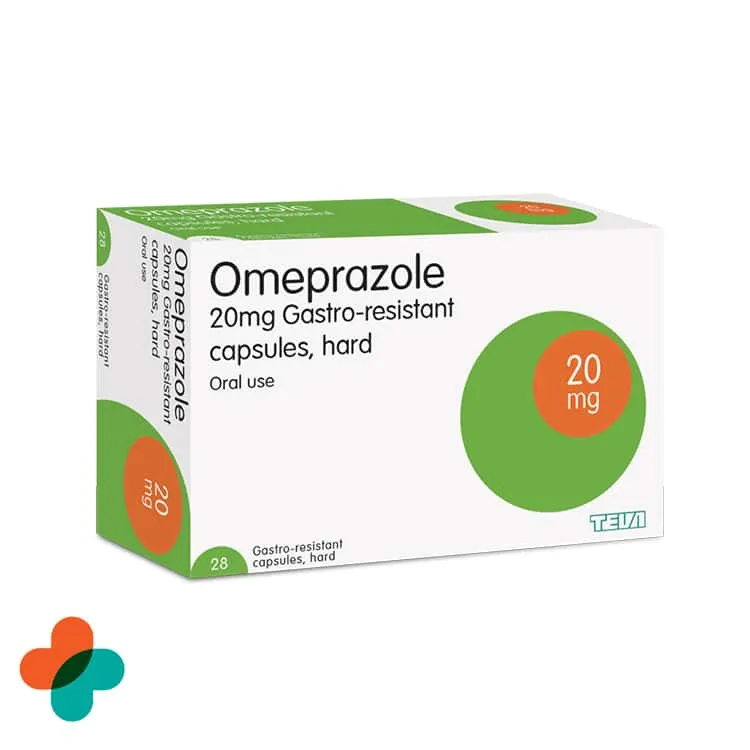
The active ingredient in Omeprazole is omeprazole, which is responsible for its acid-reducing effects.
Inactive ingredients may vary depending on the form and brand but commonly include:
- Hypromellose
- Lactose monohydrate
- Magnesium stearate
- Titanium dioxide (E171)
- Glycerol
Always check the patient information leaflet for the full list of ingredients, particularly if you have any known allergies or intolerances.
Side Effects
While Omeprazole is generally well tolerated, some people may experience side effects. Common side effects include:
- Headache
- Nausea or vomiting
- Diarrhoea or constipation
- Stomach pain or bloating
- Dizziness
The following side effects are less common or serious:
- Low magnesium levels can lead to symptoms such as muscle cramps, irregular heartbeat, or seizures.
- Allergic reactions can manifest as rash, swelling, or breathing difficulties.
- The patient is experiencing severe diarrhoea due to a bacterial infection (Clostridium difficile).
- Yellowing of the skin or eyes can indicate liver problems.
If you experience any serious side effects, contact your doctor immediately.
Warnings
- Long-Term Use: Prolonged use of Omeprazole may increase the risk of bone fractures, particularly in the hip, wrist, or spine, especially in older adults. Your doctor may recommend calcium or vitamin D supplements if you need long-term treatment.
- Allergic Reactions: Avoid Omeprazole if you are allergic to any of its ingredients or other proton pump inhibitors. Seek medical attention immediately if you experience signs of an allergic reaction.
- Liver Problems: Use with caution if you have a history of liver disease, as Omeprazole may affect liver function.
- Interactions: Omeprazole can interact with other medications, including anticoagulants (like warfarin), certain antifungal drugs, and antiretrovirals. Always inform your doctor about other medicines or supplements you are taking.
- Pregnancy and Breastfeeding: While omeprazole is generally safe during pregnancy, you should only use it under a doctor’s supervision. Breast milk excretes small amounts of it, so if you are breastfeeding, discuss this with your doctor.
- Vitamin Deficiency: Long-term use may affect the absorption of vitamin B12, potentially leading to deficiency.
How to Take
- The Usual Dosage for a Given Condition Varies: For adults, this typically ranges from 10 mg to 40 mg per day, as directed by your doctor.
- Timing: Take Omeprazole in the morning, ideally 30 minutes to an hour before a meal, for the best results. Swallow the tablet or capsule whole with a glass of water.
- Do Not Crush or Chew: The stomach releases omeprazole gradually. Crushing or chewing the tablets or capsules may reduce their effectiveness.
- Missed Dose: If you miss a dose, take it as soon as you remember unless it’s almost time for your next dose. Do not take a double dose to make up for a missed one.
- Duration: Continue taking Omeprazole for the full duration prescribed by your doctor, even if you feel better. Stopping treatment early may result in the return of symptoms.
FAQs
How long does it take for Omeprazole to work?
Most people notice an improvement in their symptoms within 1 to 4 days of starting Omeprazole. However, the full effect may take up to two weeks to manifest.
Can I take Omeprazole with other medications?
Omeprazole may interact with certain drugs, such as warfarin, clopidogrel, and some antifungals. Always inform your doctor about other medications, supplements, or herbal products you are taking.
Can I drink alcohol while taking Omeprazole?
Alcohol does not interact directly with Omeprazole but can worsen symptoms of acid reflux and reduce the effectiveness of the treatment. Limiting alcohol consumption is recommended.
Is Omeprazole safe for long-term use?
Omeprazole is generally safe for short-term use. Your doctor will monitor for potential side effects, such as bone fractures, vitamin B12 deficiency, or magnesium imbalances, if long-term treatment is necessary.
What should I do if I forget to take a dose?
If you forget a dose, take it as soon as you remember unless it’s close to your next scheduled dose. In that case, skip the missed dose and continue as normal. Never double your dose to make up for a missed one.
Can children take Omeprazole?
Yes, Omeprazole is sometimes prescribed for children to treat conditions like reflux or stomach ulcers. We will carefully adjust the dosage based on the child’s weight and medical needs.
What foods should I avoid while taking Omeprazole?
Although there are no strict food restrictions, it’s best to stay away from foods that cause acid reflux, such as spicy dishes, citrus fruits, and fatty or fried foods.
Can I stop taking Omeprazole once I feel better?
Do not stop taking Omeprazole without consulting your doctor. Stopping suddenly can cause symptoms to return. Your doctor may recommend gradually reducing the dose if you no longer need the medication.
Are there any alternatives to Omeprazole?
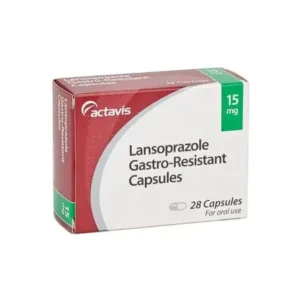
Yes, other proton pump inhibitors (PPIs) like lansoprazole or esomeprazole may be prescribed if Omeprazole is not suitable for you. H2 blockers, such as ranitidine, may also be considered in some cases.
Can Omeprazole affect pregnancy or fertility?
Omeprazole is safe to use during pregnancy, but only under a doctor’s supervision. There is no evidence to suggest that it affects fertility.
If you have further questions or concerns about Omeprazole, speak to your doctor or pharmacist for personalised advice. Always follow the prescribed instructions to ensure the safe and effective use of this medication.
Reviews
There are no reviews yet.