
 Free Nationwide Delivery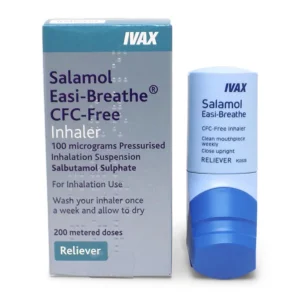
No products in the basket.
Asthma / COPD
Living with chronic respiratory conditions such as asthma and Chronic Obstructive Pulmonary Disease (COPD) can present significant challenges. These conditions affect millions of individuals worldwide, causing breathing difficulties, reduced quality of life, and, in some cases, leading to serious health complications. However, individuals can effectively manage both asthma and COPD with the right treatments and lifestyle changes, leading to more active and fulfilling lives.
Asthma / COPD
We will explore the differences between asthma and COPD, how they impact your health, available treatments, and important tips for managing these conditions effectively. By understanding the causes, symptoms, and management strategies, you can control your respiratory health and improve your overall well-being.
What is Asthma?
Asthma is a chronic condition that affects the airways of the lungs, causing them to become inflamed and narrowed, making it difficult to breathe. Children receive the most common diagnosis of asthma, but it can manifest at any age. Various environmental factors, including allergens, air pollution, respiratory infections, exercise, or stress, often trigger asthma.
The symptoms of asthma include:
- Shortness of breath
- Wheezing (a whistling sound when breathing)
- Chest tightness
- Frequent coughing, especially at night or early morning
Asthma symptoms can range from mild to severe, and in some cases, they can lead to an asthma attack. Although we cannot cure asthma, we can manage it with the right medication and lifestyle changes, enabling most people with asthma to lead normal lives.
What is COPD?
Chronic Obstructive Pulmonary Disease (COPD) is a progressive lung disease that makes it difficult to breathe. Long-term exposure to harmful substances, such as cigarette smoke or air pollution, most commonly causes COPD, unlike asthma. The condition is characterised by airflow limitation, meaning that the airflow in and out of the lungs is restricted, leading to symptoms such as coughing, wheezing, and breathlessness.
The symptoms of COPD include:
- The persistent cough, often referred to as “smoker’s cough,” is a common condition.
- Wheezing or noisy breathing
- Shortness of breath, especially during physical activities
- Increased mucus production
Individuals over 40 typically receive a diagnosis of COPD, with smokers and those exposed to long-term air pollution being more susceptible. Despite the progressive nature of COPD, a proper treatment plan can effectively manage symptoms and slow its further progression.
Key Differences Between Asthma and COPD
While asthma and COPD share similar symptoms, there are key differences between the two conditions:
- Age of Onset: Asthma often develops in childhood or adolescence, whereas COPD typically occurs in adults over the age of 40, especially in those with a history of smoking.
- Triggers: Allergens or respiratory infections frequently trigger asthma symptoms, whereas exposure to irritants like cigarette smoke, dust, or pollution triggers COPD symptoms.
- Reversibility: Asthma symptoms are typically reversible with appropriate treatment, whereas COPD is a progressive condition, meaning that the damage to the lungs increases over time, and the symptoms are less reversible.
Despite these differences, both conditions necessitate careful management and medical supervision to maintain the individual’s quality of life and effectively control symptoms.
Treatment Options for Asthma and COPD
The treatment plans for asthma and COPD aim to control symptoms, reduce inflammation, and improve lung function. Although the treatments may vary between the two conditions, they typically include a combination of medication, lifestyle changes, and monitoring.
Asthma Treatment
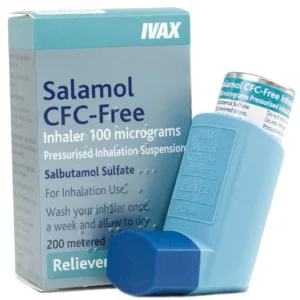
- Inhalers: The primary treatment for asthma is the use of inhalers, which contain bronchodilators or corticosteroids to reduce inflammation and open up the airways. There are two types of inhalers: reliever inhalers for immediate symptom relief and preventer inhalers for long-term control.
- Oral Medications: To manage asthma symptoms, doctors may prescribe oral medications like leukotriene modifiers or oral steroids.
- Allergen Avoidance: Identifying and avoiding triggers, such as pollen, dust mites, and pet dander, is crucial in managing asthma. Some individuals may also benefit from allergy medications or immunotherapy (allergy shots).
COPD Treatment
- Similar to asthma, COPD patients commonly use bronchodilators to relax the muscles surrounding their airways and improve airflow.
- Inhaled Steroids: Doctors may prescribe inhaled corticosteroids to COPD patients, especially those who experience frequent flare-ups, to reduce airway inflammation.
- Oxygen Therapy: For those with severe COPD and low oxygen levels, supplemental oxygen therapy may be required to maintain proper blood oxygenation.
- Pulmonary Rehabilitation: A structured program that includes exercise, education, and support can help improve the quality of life and physical endurance in people with COPD.
Both asthma and COPD patients may also benefit from lifestyle changes, such as quitting smoking, regular exercise, and maintaining a healthy diet.
Managing Asthma and COPD: Tips for Daily Life
While medication plays a crucial role in managing both asthma and COPD, lifestyle changes are equally important for maintaining optimal lung health. Here are some tips to help manage these conditions on a daily basis:
- Quit Smoking: Smoking is the leading cause of COPD and a major trigger for asthma. Quitting smoking is the most important step you can take to improve your lung health and prevent further damage.
- Stay Active: Regular exercise helps improve lung function, build stamina, and reduce symptoms of both asthma and COPD. Always consult your doctor before starting an exercise program.
- Monitor Symptoms: Keeping track of your symptoms and medication use is essential. Use a peak flow meter or a spirometer to monitor lung function and ensure that your treatment plan is working effectively.
- Avoid Triggers: Avoid exposure to common asthma or COPD triggers, such as allergens, pollution, and respiratory infections. Consider using an air purifier and ensuring your home is smoke-free.
- Vaccinate: To protect your health, get the flu and pneumonia vaccinations. People with asthma and COPD are more susceptible to respiratory infections.
Living Well with Asthma and COPD
Managing asthma and COPD requires a comprehensive approach that includes medication, lifestyle changes, and regular monitoring. With the right treatment plan, individuals living with these conditions can lead active, fulfilling lives. If you or someone you know is dealing with asthma or COPD, it’s important to work closely with a healthcare professional to create a personalised management plan tailored to your specific needs.
By understanding these conditions and the available treatment options, you can take control of your respiratory health and improve your overall quality of life.