
 Free Nationwide Delivery
No products in the basket.
Acid Reflux
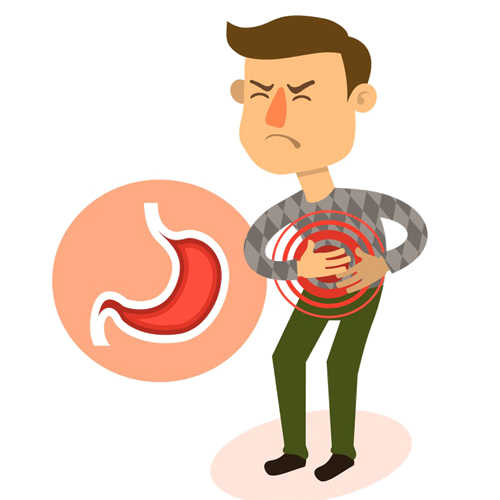
Acid reflux, also known as gastro-oesophageal reflux disease (GERD), is a common digestive condition that affects millions of people worldwide. It occurs when stomach acid flows back into the oesophagus, causing discomfort, irritation, and a range of symptoms. If left untreated, acid reflux can lead to more serious health issues, including inflammation of the oesophagus, ulcers, and even oesophageal cancer. Fortunately, we can effectively manage acid reflux with proper treatment and lifestyle adjustments, thereby improving quality of life and preventing complications.
Acid Reflux
We will explore what acid reflux is, its causes, common symptoms, and the treatment options available. We will also offer helpful tips on managing acid reflux, providing you with the knowledge and tools to control your digestive health.
What is Acid reflux?
Acid reflux occurs when the lower oesophageal sphincter (LES), a ring of muscle located at the bottom of the oesophagus, weakens or relaxes inappropriately. This allows stomach acid and partially digested food to flow back into the oesophagus, which is not designed to handle acidic substances. As a result, individuals with acid reflux experience irritation and inflammation in the oesophagus, leading to discomfort and a variety of symptoms.
Acid reflux is common, affecting people of all ages, but it can be particularly prevalent in adults. While anyone can experience occasional acid reflux, frequent and persistent reflux, known as GERD, may necessitate medical intervention.
Common Symptoms of Acid Reflux
The symptoms of acid reflux can vary in severity, but the most common include:
- Heartburn: A burning sensation in the chest, often after eating or at night. Heartburn is the most characteristic symptom of acid reflux.
- Regurgitation: A sour or bitter taste in the mouth caused by stomach acid rising into the mouth or throat.
- Difficulty swallowing is characterised by a sensation of food being trapped in the chest or throat.
- Chronic cough refers to a persistent cough that typically worsens at night or after meals.
- Acid reflux is the cause of a sore throat or hoarseness.
- Chest pain: A sharp or tight sensation in the chest, which may be confused with heart-related issues.
While acid reflux frequently causes these symptoms, other medical conditions can also cause them. It’s important to consult a healthcare professional to obtain an accurate diagnosis.
Causes and Risk Factors
The causes of acid reflux are diverse and can range from lifestyle choices to underlying medical conditions. Some of the most common causes and risk factors include:
- Weak Lower Oesophageal Sphincter (LES): The LES is responsible for keeping stomach contents from flowing back into the oesophagus. When it weakens or relaxes inappropriately, acid reflux can occur.
- Hiatal Hernia: A condition where part of the stomach pushes through the diaphragm into the chest cavity, making it easier for acid to flow back into the oesophagus.
- Obesity: Excess weight can put pressure on the abdomen, forcing stomach acid up into the oesophagus.
- Pregnancy: Hormonal changes and the growing uterus can put pressure on the stomach, leading to acid reflux.
- Smoking weakens the LES and increases acid production, both of which contribute to acid reflux.
- Diet and Lifestyle: Certain foods, such as spicy or fatty foods, caffeine, chocolate, and alcohol, can trigger acid reflux. Eating large meals, lying down after eating, and eating late at night can also increase the likelihood of reflux.
In some cases, acid reflux may also be linked to underlying conditions, such as delayed gastric emptying, which can cause food to remain in the stomach longer, increasing the risk of reflux.
Diagnosis and treatment options for acid reflux
If you experience frequent or severe symptoms of acid reflux, it’s important to seek medical advice. A doctor can diagnose acid reflux based on your symptoms, medical history, and potentially perform tests to rule out other conditions.
Lifestyle and Dietary Changes
Making certain changes to your lifestyle and diet can help reduce the frequency and severity of acid reflux episodes:
- Eat smaller, more frequent meals: Large meals can cause the stomach to produce excess acid, which can increase the risk of reflux. Opt for smaller meals throughout the day.
- Avoid trigger foods: Identify and eliminate foods that trigger acid reflux. Common culprits include spicy foods, fatty foods, caffeine, citrus fruits, and alcohol.
- Lose weight: If you are overweight, losing even a small amount of weight can reduce pressure on your abdomen and decrease reflux.
- Don’t lie down after eating: Wait at least 2-3 hours after eating before lying down or going to bed to allow your stomach to digest food properly.
- Raise the head of your bed: If you experience reflux at night, raising the head of your bed by 6–8 inches can help prevent stomach acid from flowing back into your oesophagus while you sleep.
Medications for Acid Reflux
Depending on the severity and frequency of your symptoms, you can choose from several medications to treat acid reflux.
- Antacids: Over-the-counter antacids can help neutralise stomach acid and provide short-term relief from heartburn and indigestion.
- H2 Blockers: These medications reduce stomach acid production and provide longer-lasting relief from acid reflux symptoms.
- Proton Pump Inhibitors (PPIs): PPIs are stronger medications that block acid production in the stomach. Often, doctors prescribe them for frequent or severe acid reflux and GERD.
- Prokinetics: To lower the risk of acid reflux, doctors may occasionally prescribe drugs that speed up the stomach’s emptying.
Surgical Options
Rarely, doctors may recommend surgery when lifestyle modifications and medications are ineffective. Fundoplication, the most common surgical procedure for acid reflux, involves wrapping the top of the stomach around the LES to prevent acid from flowing back into the oesophagus.
Managing Acid Reflux: Tips for Better Digestive Health
Managing acid reflux requires a combination of medication, lifestyle adjustments, and self-care. Here are some additional tips to help manage your symptoms:
- Avoid eating late at night: Eating too close to bedtime increases the likelihood of reflux, as gravity no longer helps keep stomach acid down.
- Wear loose-fitting clothing: Tight clothing, especially around the abdomen, can put pressure on the stomach and worsen reflux symptoms.
- Quit smoking: Smoking weakens the LES and contributes to acid production, so quitting smoking can help alleviate symptoms.
- Stay hydrated: drinking plenty of water throughout the day can help neutralize stomach acid and aid digestion.
- Track your symptoms: Keep a food and symptom diary to identify triggers and better manage your condition.
Living with Acid Reflux
With the right treatment and lifestyle changes, you can manage acid reflux, despite its discomfort and disruption. By understanding the causes and symptoms of acid reflux and working with your healthcare provider to develop a personalised treatment plan, you can minimise symptoms and prevent complications.
With a combination of medication, diet adjustments, and careful attention to triggers, you can maintain a satisfactory quality of life and manage your acid reflux effectively. If you experience frequent or severe symptoms, seek medical advice to explore the best treatment options for your needs.